
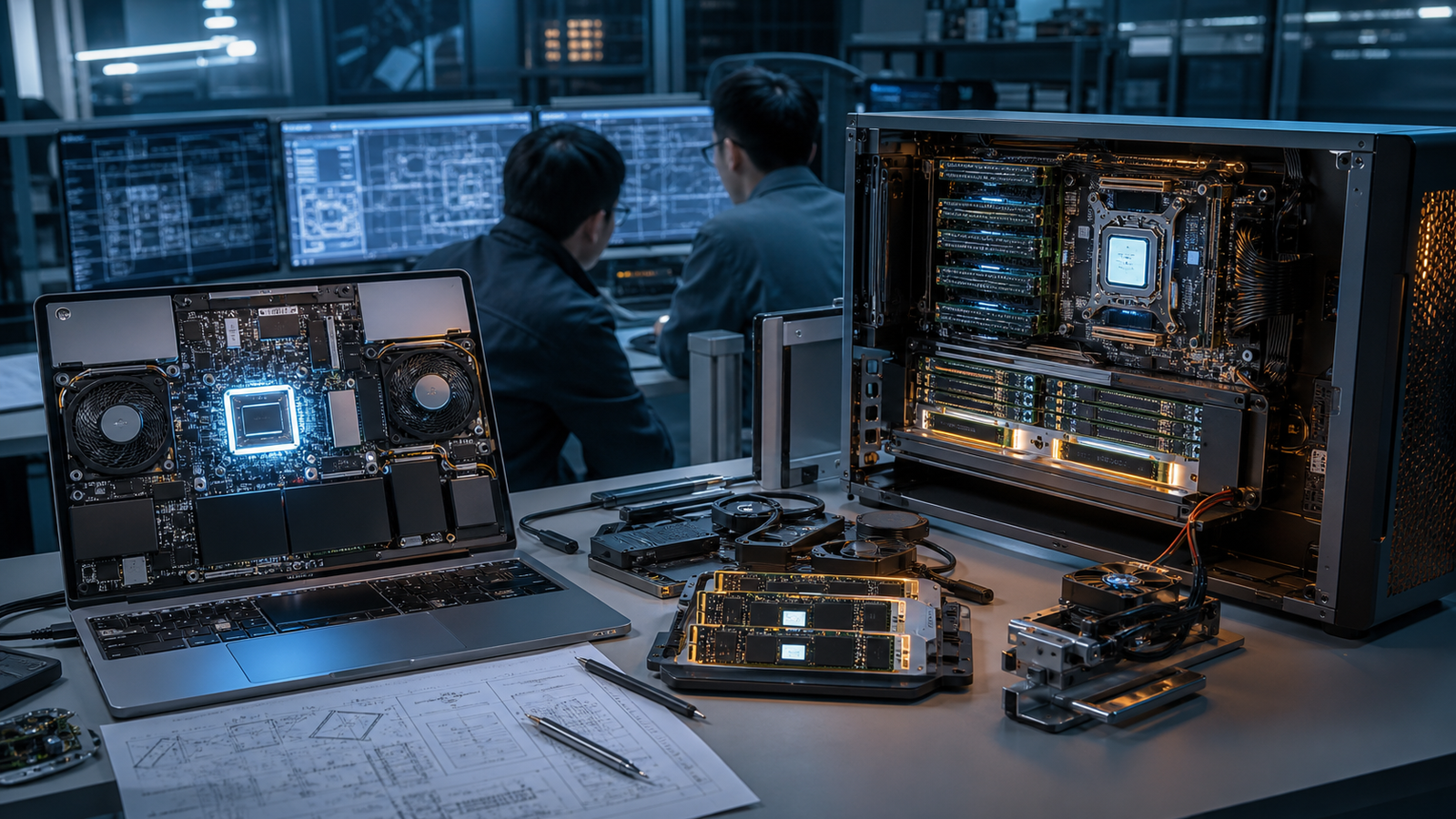
The conversation around AI PCs usually starts with the GPU or NPU. That focus makes sense, but it is incomplete. When local models deal with long context, large files, multimodal data and agents running for longer periods, the bottleneck begins to move toward memory, storage and system architecture.
PCIe 6.0 is one signal of that shift. If local platforms need to feed accelerators with high-speed data, the SSD stops being only a program-loading component. It becomes part of the workload path. That brings the PC closer to concerns once more common in workstations and servers.
At the same time, reports about continued DDR4 platform support show another layer of the problem: not every user will immediately move to the newest hardware. The market may split between premium AI machines with high bandwidth and more accessible systems that extend existing platforms for longer.
That split makes software even more important. The operating system must manage resources, reduce interruptions and handle security more clearly. In AI PCs, performance will not be just a sum of TOPS, memory or SSD speed. The experience will depend on how those components work together and how much control the user keeps over what runs locally.