
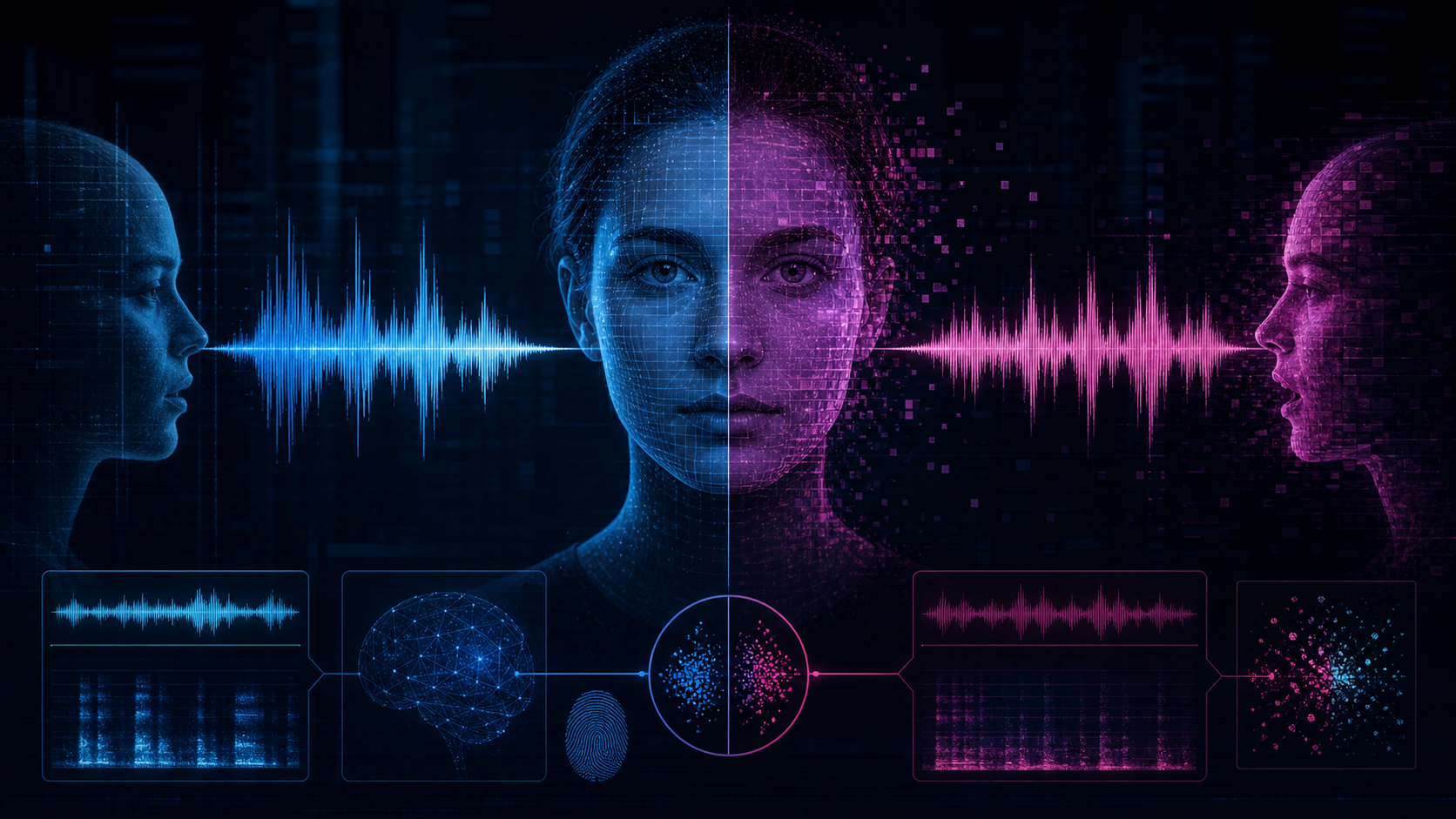
In an attempt to test voice imitation technology, I orchestrated a call to my father while attempting to mimic my own voice using a deepfake application. Initially, I pondered whether he would discern that the voice on the line was an artificial recreation rather than my own. The imitated voice greeted him and inquired about his well-being. However, when he hesitated in responding, he quickly sensed something was amiss.
“What is that, Gaby?” he asked, instantly realizing that the voice didn’t match mine completely. After revealing my intention to deceive him, he remarked, “It didn’t sound like you at all. It was like a robot.” This experience illuminated the key limitations of current voice deepfake technologies, particularly when it comes to real-time interactions.
While my endeavor was far from flawless, it highlighted the potential pitfalls of voice imitation tools, especially in environments where background noise and interruptions occur, such as dining out with friends. I faced challenges with the quality of the call and audio delays that hindered the conversation. The exercise illustrated that although voice deepfakes are evolving, they still struggle with the nuances of everyday communication. Overall, the only way to effectively address the rise of deepfakes is to engage with the technology directly, creating our own nuanced countermeasures.